
Remember that quote that goes something like: “After you read a book, you will not see the world the say way again” ? Yeah… this is one of those books, a total mind-opener!
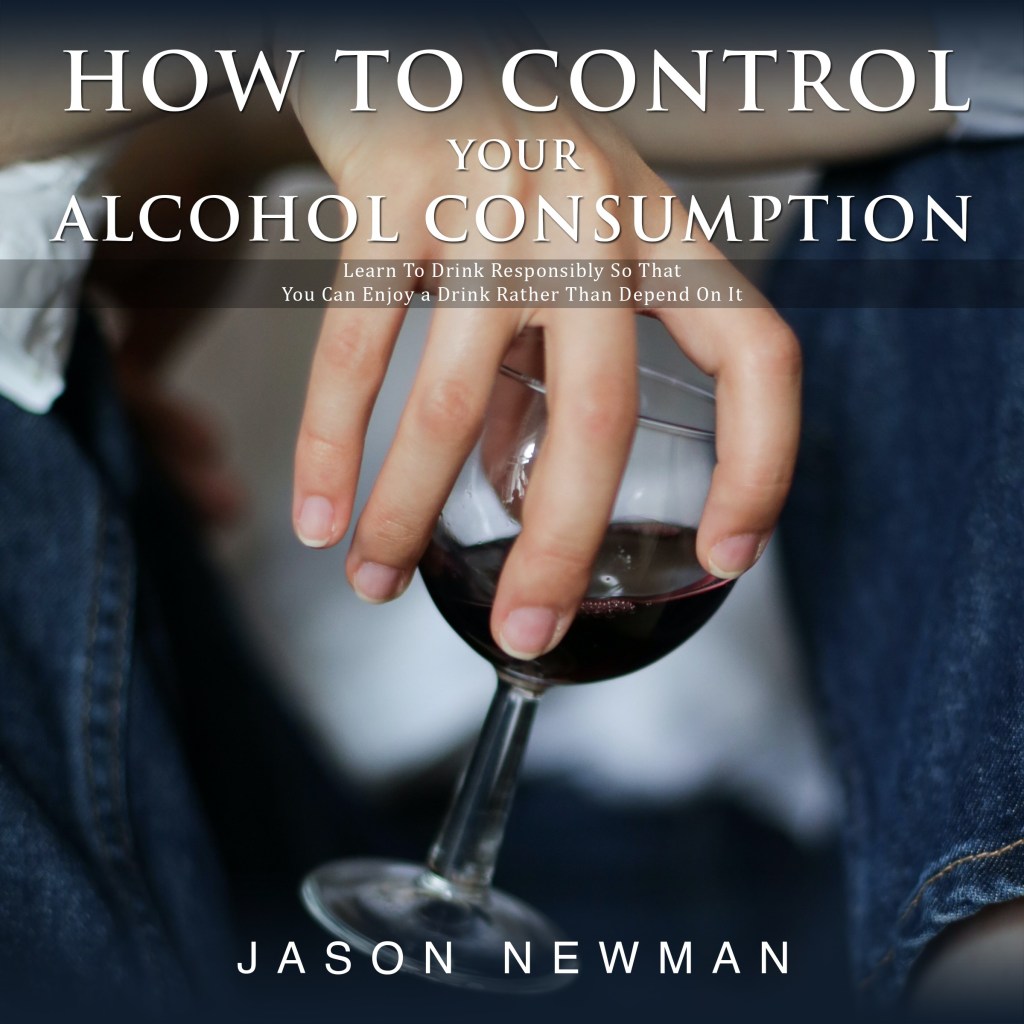
Most of us have seen, witnessed, the damage that a drunk or alcoholic person can do, both to itself, be it in a moment, over the years, physically and mentally and to others, and all of us have in way or the other heard the gruesome stories, from close friends, relatives of the damage that a drunk can make to its closest relatives.
Alcohol is one of the most dangerous, addictive substances in nature, but unlike other drugs, it’s not as regulated, and worse, the level of education related to drinks is almost negligible, so, coming across and a book that teaches people how to drink without overdoing it and becoming dependent of this type of drug is a very good thing, and much needed, both for heavy drinkers, drunks, and people that are starting to drink or are worried that they are becoming dependent of it, and knowing that the author himself was a heavy drinker, adds many points to this book.
Right off the bat we are faced with facts, presented in a solid, well-researched manner in a well organized book, that makes it easy to read. Loved the Seneca quote in the begining as he is yes, one of the most accurate philosophers that ever lived and a great stoic, the choice of words and the theme shows that the writer is serious about self-control, as stoics are. Very nice.
The writer does present the facts, to engage the target reader right away and force it into thinking long and hard about drinking and its consequences by showing the disastrous effects, both economical and personal, in their lives and in society, but also at the same time giving incentives to the target reader to be honest about the topic and letting know that people will be supportive about it, help and understand them, something that is crucial.
A VERY cool thing about this excellently researched little book is that the author lets us know facts that we thought we knew about alcohol and drinks, such as the measurements of a drink as per alcohol percentage, and how these little hidden facts completely change the dynamics of the talk around alcohol consumption.
Did you know that you can spend more than 1K USD buy buying really cheap bear within a year? Cheap beer! Imagine standard quality beer. Facts like these are all over this book, which makes it even more interesting if you are like me that has some heavy drinking friends.
“Alcoholism is a slow progression, a steady increase that few people deliberately plan, and it can grow out of control in apparently no time at all.”
Jason Newman

What I love about this book is that the author CLEARLY understands, and doesn’t judge in any moment, the target readers, because he was admittedly one, so the book has a conversational, ‘chilled, informative vibe to it, and it proposes cutting back on drinking instead of quitting outright, and this is essential to have in mind when it comes to people that have been heavily dependent in alcohol for years.
“To everyone trying to cut back their alcohol intake, take it one day at a time and forgive yourself for any setbacks. You can do this.”
Jason Newman
The author explains the short-term side-effects of drinking –yes, alcohol has short-term side effects too, and very dangerous ones it seems- with exemplary casual factualness, in a way that is super easy to understand, and goes into enough detail on each in order to show the dangers, while also explaining the differences of the “feelings”, and “perceptions” alcohol gives and the truth about them, that they are not permanent things.
“Using alcohol to mask stressors or pain is only effective in the moment and not sustainable over the long term. Eventually, as alcohol tolerance rises, a person will need to drink more to get the same effect. This is why so many who have been abused wind up turning to alcohol to forget their problems. This vicious cycle only leads to more alcohol abuse.”
Jason Newman
Why is this important? This is important, because, many people drink in order to get those “feelings” and “abilities” that alcohol gives, and that’s how many people get addicted to alcohol, specially youngsters, so thank you, Jason Newman for this little detail.
Another thing that relates to this tactic is the way the author makes distinctions between the socially “acceptable” behaviours when it comes to drinking and how they can hinder the progress of cutting back on drinking and how they can be dangerous as well. Another great point in favour of the book is how the author explains how the social gatherings and their interactions influence and help gain, maintain and exacerbate the drinking habits, either through frequency or peer-pressure and how that can lead to less than desired circumstances such as rape, it’s a fascinating angle indeed. This is very well researched.
This book is EXTREMELY WELL streamlined! You are in one topic, which is told in a very simple way, – but always factual and with enough seriousness to keep you grounded – , and then you are reading another chapter without even realizing! Each topic is discussed in one, two, three paragraphs, five at most, which is very cool and facilitates reading, sending the message across flying into the reader. NICE! We are talking about complex metabolic pathways being discussed in less than a paragraph and STILL being scientifically accurate!
Did you know that alcohol consumption is strongly related not only to diabetes, heart problems but to cancers of several forms, including cancers of the mouth and throat?
Did you know that there are categories of Alcoholics? Levels of alcoholism and their symptoms? I didn’t! Until I read this book, and this is something very important, because with this information in mind, those that do not drink and know someone that does, can intervene much earlier, with solid information on what to do and with a framework of understanding and support that can be the difference between full recovery and death or severe injure.
This book is a must-read. Excellent info in here.
The author spreads love and support in every word and invites the target reader to consider the possibilities of a better health, of a better life in a non-judgmental, caring and understanding way, and this is how a self-help book should be written, and written by people that have been through it and recovered. It’s very nice, very, very nice.
This is an EXCELLENT book. Everyone in society should read it, and here’s why we say this: Those that don’t drink will stop cold turkey on the possibility, or be prepared to face alcohol responsibly, be armed with the tools to identify, help, support and understand alcoholics; alcoholics, or people that are starting to have drinking problems can more easily address the issue and seek support if needed, and last, the heavy drinkers can both help themselves and/or seek help from the people they trust and love while finding hope and a reason to stop drinking. This book is a total recommendation! A fast, factual, entertaining, educational read for everyone, including teenagers. Top stuff right here.
Pros:
- EXCELLENTLY researched book
- The facts, both statistical and scientific are seamlessly blended with the casual narrative in a way that is VERY easy to read
- A fast read. This book has less than 70pages
- SUPER supportive and loving narrative without any sort of judgment, but filled with understanding and care
- VERY cool facts and trivia on the book
- LOTS of hard-to-get info that will blast you away
- The topics are addressed in a swift, effective, smooth manner that you get loads of info in very little time and yet don’t feel overwhelmed, but even more curious
- Lots of methods and suggestions in order to cut back on the drinking, and even be more social without drinking
Cons:
- Ok, this one is a minor, but I have to point it out as a con: The author should have said that the Pancreas is the largest inner organ that we have in the body, because the largest organ is the skin.
 Scribble's Worth