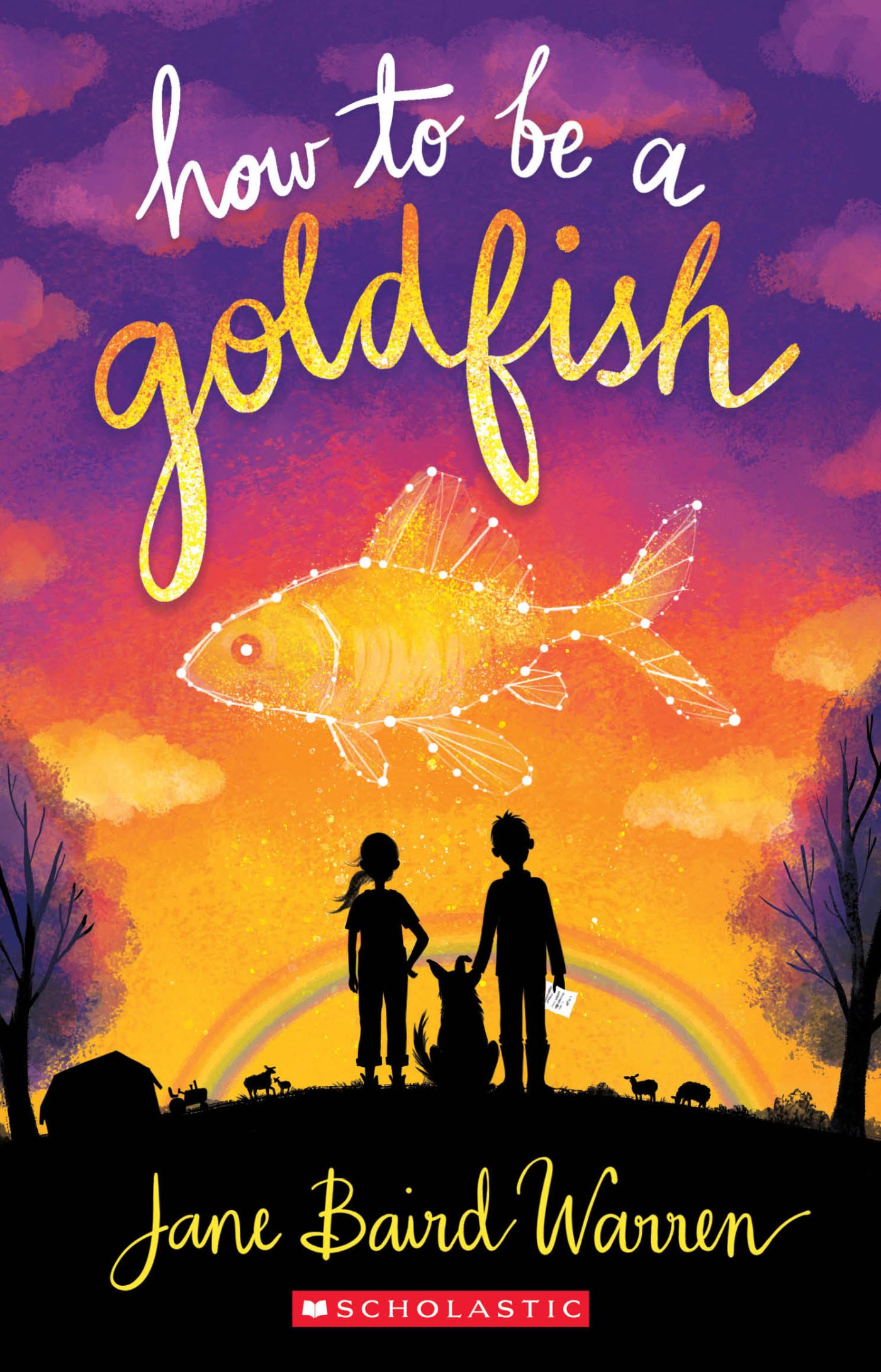
How to be a Goldfish by Jane Baird Warren is a moving story about family, courage, and heroism. This short novel is deceptively nuanced and layered with themes just as relevant today as the time in which the story was set: 1981. Using the Sinclair and Macrath families, Baird Warren eloquently disclosed historical travesties committed decades prior against several groups of people, namely, young, unwed mothers, British orphans used for indentureship, and the LGBTQ+ community. The unveiling of this history that had been ‘erased’ (gracefully pointed out within the book’s prose), was an act of bravery and an example of the quiet heroism that was used as the crucible from which this story emerged.
The importance of history—and even more so erased or forgotten history—is paramount to this book’s plot. It partners well with the theme of family (given and chosen) and the secrets that lie within the fabric of each. To paraphrase Susan (one of the book’s supporting characters):“secrets always come out.” This is an award-winning double entendre in action, as it speaks to the duality of these themes. Baird Warren demonstrates mastery in her ability to narrate a profoundly nuanced and timeless / ageless tale that could easily be dismissed as a simple children’s story at first blush.
Using adolescents as the protagonists was a clever way to introduce the subject matter with compassion and without judgement, while infusing a tenderness that will provoke emotion from the reader. Lizzie and David (the book’s protagonists) personify the ‘underdog’: clever, creative, curious, and courageous. They were multilayered, relatable, and likeable characters that you yearned to champion. Supporting them was Harry Doak, whose kindness was amplified by his backstory. Together, these three represented the heart of the story, and I freely admit to shedding a few tears while reading.
Baird Warren again showed great skill in her crafting of these characters, and as someone who prefers a ‘character-rich’ tale, How to be a Goldfish delivered on every note, including the crafting of the antagonists who provided an excellent foil to the story’s heroes.
Of course, the term underdog implies an ‘overdog,’ so it is inevitable that the theme of bullying would be included. The forever companion of bullying—bigotry—also reared its ugly head within the pages. As the story unfolded various forms of bigotry and their insidious presence within society were revealed. The sanctioning of these biases to the point of laws being assumed and integrated to preserve an ‘idealized’ idea of a ‘perfect’ society represented an ignorant and tragic history that current society would seek to conceal, forget, or erase. This story highlighted the importance of uncovering such secrets so that society can heal and evolve past such injustices.
It is not lost to me the year in which this story was set. 1981 is a very specific year, and the author was sure to make the links in her acknowledgments. Personally, I found it even more grievous that so many of these biases continue to plague contemporary society. While Lizzie and David represented the hope for the new generation to accept and evolve, it is disheartening that their hope for a more equitable future is still to be realized. Nonetheless, this book was hopeful in its conclusion, and through the arc of minor character Bethany, Baird Warren was able to plant the seed of hope for the possibility of change.
This multilayered story also addressed themes of mental health, teen pregnancy, single parenthood, and family. Deep within the rich prose, compelling images, captivating characters, and profound thematic discourse, Baird Warren surprised me with an embedded mystery. Though not too complex, it advanced the narrative and pacing while adding an additional layer to the plot. A layer that many readers will find compelling and one that fully clothed the story’s primary purpose.
How to be a Goldfish is a multigenerational story that is charming, heart wrenching, compelling and profound. It is well researched, descriptive, and gracefully told. Jane Baird Warren is a griot of great skill. She wove a tale that was relatable yet enlightening, emotional yet humourous, and tragic yet hopeful. Her eloquence in crafting this tender, inspirational, and kind story elevated and erased limits set for a target audience. This is a truly ageless story that revealed Baird Warren to be a ‘goldfish’ herself.
Pros:
• Relevant themes
• Likable, relatable, and nuanced characters
• Compellingly hopeful story used to dispense tragic ‘unknown / erased’ history
• Well researched and told
Cons:
• Honestly couldn’t find a ‘con’ but if hard pressed would be the inability to clearly define the demographic of the target audience. The subject matter and themes, though historical, are rather adult for pre-teen but that is admittedly my own bias.
• I would’ve liked to learn more about Lizzie’s father, but understandably, it would have distracted from the main purpose of the story. It was a perfectly constructed story from beginning to end, but there could be room to expand the ‘story’s universe’ should the author decide to.
 Scribble's Worth